skip to main content

Dry Eye and Ocular Surface Disease affects millions of Americans, and symptoms can range from occasional, mild irritation to debilitating and stubborn symptoms. Each time you blink your eye, tears spread across the surface of the cornea. Tears exist to provide lubrication to the eye, reduce the risk of infection and to wash away foreign matter in the eye. Excess tears drain out of the eye through small drainage ducts in the inner corners of the eyelid. People with dry eye either do not produce good quality tears and oils, or they simply do not produce enough of them.

Dry Eye and Ocular Surface Disease can be the result of many different factors, including your lifestyle, age or gender, medical conditions such as autoimmune diseases or rosacea, and seasonal allergies.

Common symptoms include fatigueitching or burning eyesforeign body sensationexcess tearing, and fluctuating vision. If you are experiencing any of these symptoms, our specialized team at Arlington Eye Center can help. We will walk you through a detailed, comprehensive eye exam with specialized diagnostics to help manage your symptoms. We are determined to use our extensive training and expertise to make a customized treatment plan for you.

Don't suffer any longer - schedule your evaluation today with our Dry Eye & Ocular Surface Specialists, Shazia Ahmed, MD, and Roshni Patel, OD!


View Video

What are the symptoms of Dry Eye Syndrome?

Those with dry eye will experience symptoms such as:

  • Fatigue
  • Itchy or burning eyes
  • Foreign body sensation
  • Excess tearing
  • Fluctuating or Blurred vision

If you are experiencing any of these symptoms, our specialized team at Arlington Eye Center can help. We will walk you through a detailed, comprehensive eye exam with specialized diagnostics to help manage your symptoms.

What are the risk factors of Dry Eye Syndrome?

Dry eye can be the result of quite a few things, including:

  • Aging. Dry eyes are common as we reach our middle and later years.
  • Gender. Women are more likely to experience dry eye because of hormonal changes.
  • Medical conditions. Those who have diabetes, thyroid problems, and autoimmune conditions are more likely to experience dry eye syndrome. Blepharitis, another common eye disease, is also often the main cause of dry eye syndrome. Facial and ocular rosacea are highly associated with inflammatory dry eye symptoms.
  • Environmental conditions. Exposure to wind, smoke and dry climates can greatly increase tear evaporation, causing dry eye symptoms. Prolonged computer use can also take it’s toll on the eyes, as people often blink much less when staring at a screen.

Intense Pulse Light (IPL) for Dry Eye

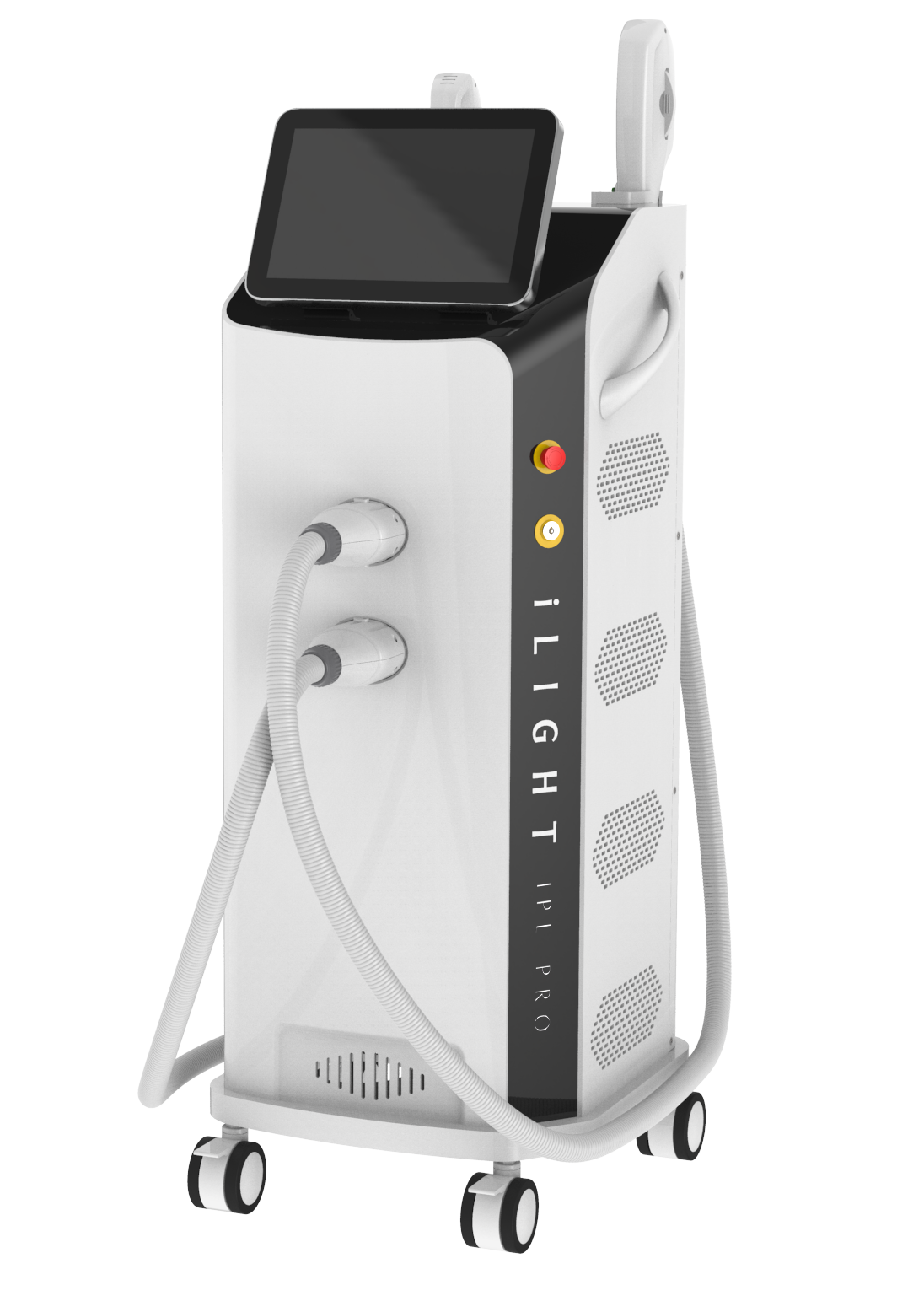
Arlington Eye Center is pleased to offer the iLight IPL to our patients for the treatment of dry eye.
What is IPL?

IPL, or Intense Pulsed Light, was first introduced in 1994 for skincare treatments, primarily to address the signs of aging. Over time, its benefits have expanded beyond cosmetic use to provide relief for a range of conditions, including dry eyes. For dry eye treatment, IPL uses strong pulses of light to target the underlying cause of many dry eye issues, including inflammation, blepharitis and ocular rosacea. 

How Does IPL Work for Dry Eyes?

IPL targets two key components that contribute to dry eye syndrome:

  • Inflammation: IPL effectively reduces inflammation in the meibomian glands, which are responsible for producing the oily layer of tears. When these glands become inflamed, they can't produce enough oil to keep tears from evaporating too quickly.

  • Blood Vessels: IPL also targets abnormal blood vessels on the surface of the eye. These vessels can contribute to dryness and discomfort by promoting inflammation and interfering with the normal tear film. 

How Many Treatments Will I Need?

Most patients notice and feel a difference during the treatment process. Typically a series of 4-6 treatments is ideal depending on severity. The series is usually followed by a 6-week follow up appointment and maintenance treatments every 6-12 months. IPL is often done in combination with LLLT for better results. 

Does IPL Hurt?

You've likely heard varying responses to this question, as the answer really depends on your pain threshold. The sensation is generally compared to that of an elastic band flick - but the best IPL devices out there work so quickly, you'll barely have time to register it.

What Other Benefits Does IPL Provide?

In addition to the treatment of dry eye syndrome, Arlington Eye Center can offer patients the added benefits of IPL. Through this revolutionary treatment, you can:

  • Help treat meibomian gland dysfunction, a common cause of most chronic dry eye symptoms
  • Reduce inflammation that causes fatigue and tearing
  • Reduce redness
  • Allows medical management and at-home maintenance to be more effective
  • Reduce pigmentation, sun damage, and brown spots
  • Kill harmful bacteria that causes acne
  • Treat rosacea and broken blood vessels
  • Rejuvenate your face by reducing fine lines and wrinkles

When Will You See Results from an IPL? 

Some may see results in as little as three weeks – but the exact time will differ from person to person, depending on various factors. Most people will need a series of 4-6 treatments for optimal results.
Low Level Light Therapy (LLLT) for Dry Eye

Arlington Eye Center is pleased to offer Low Level Light Therapy (LLLT), also known as photobiomodulation, as an advanced, non-invasive treatment for dry eye and Meibomian Gland Dysfunction (MGD).

What is LLLT?

LLLT is a safe, painless, non-invasive treatment that uses specific wavelengths of light to stimulate cellular function and support the body’s natural healing processes. The light energy is absorbed by the cells, helping boost cellular energy production (ATP) and reduce inflammation.

How Does LLLT Help Dry Eye?

Meibomian Gland Dysfunction (MGD) occurs when the oil-producing glands in the eyelids become clogged or inflamed. These glands play an important role in maintaining a healthy tear film and preventing tears from evaporating too quickly.

LLLT helps address MGD by:

  • Reducing eyelid inflammation
  • Warming the meibomian glands to help liquefy hardened oils
  • Stimulating the production of healthy oil, or meibum
  • Promoting overall ocular surface healing
  • Improving tear quality for longer-lasting comfort

What Can I Expect During LLLT Treatment?

LLLT treatment is quick, comfortable, and requires no downtime. You will relax in a comfortable chair while an LLLT mask is positioned a few inches from your face with your eyes closed. The light treatment lasts approximately 15 minutes, and most patients experience only a pleasant, warm sensation.

Following treatment, your meibomian glands are manually expressed to help clear blockages and restore healthy oil flow. You can return to work, drive, and resume your normal daily activities immediately.

LLLT is drug-free, chemical-free, and pain-free and can also be used alongside other dry eye treatments, including IPL. Your Arlington Eye Center provider will recommend a treatment plan based on your individual dry eye diagnostics and needs.

LACRIFILL® for Dry Eye

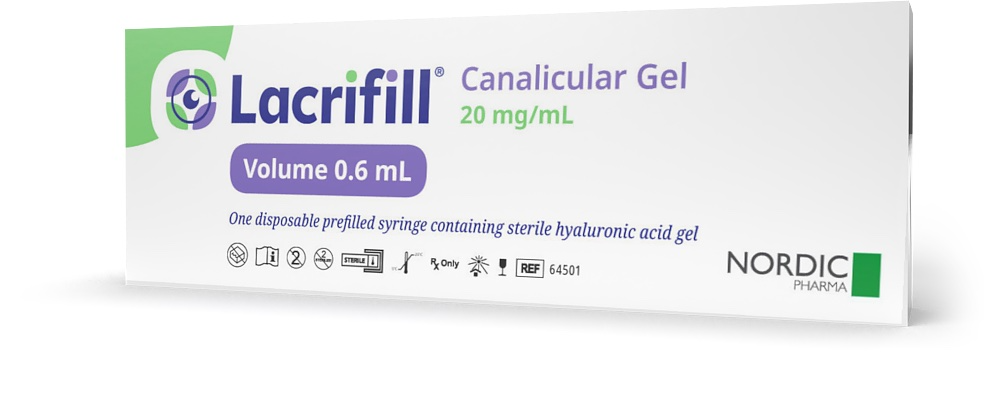
Lacrifill BoxArlington Eye Center is pleased to offer LACRIFILL® Canalicular Gel punctal occlusion in addition to our other punctal plug options for the treatment of dry eye. Punctal occlusion can be used as an independent treatment option or alongside others for additional relief.

What is LACRIFILL®?

LACRIFILL® Canalicular Gel is an FDA approved, safe and effective product for keeping natural tears in the eye longer and reduce your need for drops.

How Does LACRIFILL® Work?

  • LACRIFILL comes in a pre-filled injector with enough gel to treat the lower and upper canaliculi.
  • Your provider will place the tip of the injector in your punctum to insert the gel. 
  • The gel flows through the punctum into the lacrimal sac.

What To Expect?

Patients should expect their eyes to feel better immediately; there are no side effects and no healing process. The tear film will increase right away. Some patients reported slight tearing.

TearCare® for Dry Eye

Arlington Eye Center is pleased to offer TearCare® to our patients for the treatment of dry eye.

What is TearCare®?

TearCare® is an FDA cleared in-office procedure used to treat Meibomian Gland Dysfunction (MGD) and blepharitis. The single-use, flexible Smartlids™ gently adhere to the contours of the blinking eye to harness the natural blink. The TearCare® System intervenes by facilitating the clearance of obstructions through enhancing the flow of vital oils and rejuvenating your tear film. Benefits from the TearCare® procedure can last up to 6-12 months.

How is it performed?

Smartlids™ are applied using silicone medical adhesive placed on both upper and lower eyelids. Optimal heat will be administered through the Smartlids™ for 15 minutes. The heat can be easily adjusted if you feel it's too warm. This heat will start softening the stagnant oil in the eyelid glands. After 15-minutes, the Smartlids™ will be removed and the doctor will perform a manual gland expression. The doctor will use a specialized tool for precise gland clearance to allow for new oil to begin to flow. Anesthetic drops can be administered to increase comfort prior to expression.

What To Expect?

Your meibomian glands will be cleared and allow new oils to begin flowing. This may help your eyes feel better by improving the quality of your natural tears. Like getting your teeth cleaned at the dentist, we are conducting a "deep clean" of your meibomian glands.

View Video

Other Treatments for Dry Eye

How exactly is dry eye syndrome treated? For some, over-the-counter eye drops will do the trick. For those with more severe symptoms, there are other treatments. Other treatment options at Arlington Eye Center include:

  • Amniotic Membranes: these are stem cell based treatments used to rejuvenate corneal health and continue to improve symptoms over 6 months.
  • Eyelid Wipes, Dry Eye Masks and Artifical Tears: we carry recommended supplies to help combat your symptoms and Dr. Patel will review these during your evaluation.

Dry eye syndrome can be frustrating, but we can help you live a life free of stubborn dry eye symptoms! If you are experiencing symptoms, schedule your evaluation today.

View Video

Our Services